Improving Dialogue and Teamwork Through Professional Acoustic Solutions in Collaboration Rooms
Effective communication and collaboration are crucial for the success of any organization, and the setting in which meetings take place has a key function. Meeting spaces, discussion halls, and other professional venues are the primary locations where teams share concepts, develop approaches, and make important decisions. Poor acoustics or excessive ambient noise can significantly disrupt these interactions, reducing productivity and raising the likelihood of misunderstandings. By applying strategic sound modifications, companies can establish environments that support clear dialogue, allow better focus, and promote efficient cooperation. These enhancements not only enhance communication but also contribute to a more formal and welcoming meeting experience.
Acoustic modifications, such as soundproofing panels, acoustic ceiling tiles, and floor sound absorbers, immediately affect the understandability of speech within a room. Echoes, reverberations, and resonance can make even basic conversations difficult to hear, causing discomfort among attendees. Carefully planned sound-absorbing materials help these issues, guaranteeing that speech carry evenly throughout the room. Additionally, noise reduction can prevent external noise from entering the room, protecting confidential conversations from interruptions. By addressing both inside and outside sound issues, discussion areas can maintain a consistent sound setting that supports effective dialogue and decision-making.
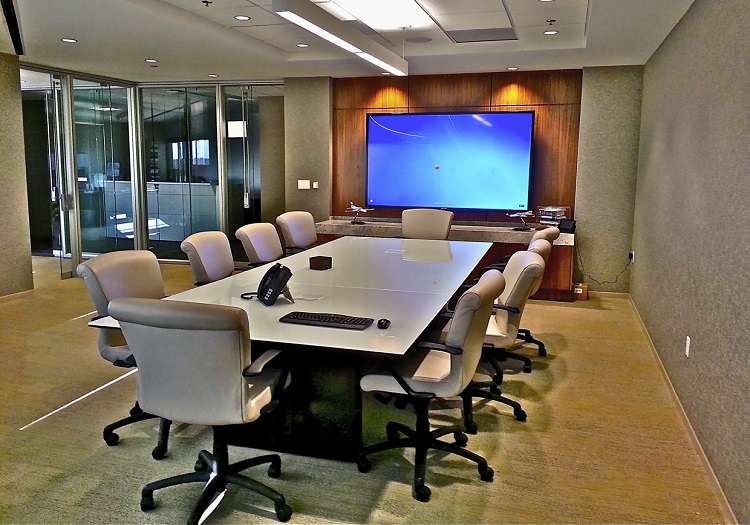
The layout and materials used in conference rooms also contribute to overall collaboration efficiency. Hard surfaces, such as glass partitions and hard flooring, can increase echo, while absorptive surfaces, including padded seating and acoustic wall panels, help unwanted noise. The arrangement of furniture, including desks and chairs, affects how audio moves and how team members engage with each other. When audio treatments are combined with thoughtful room design, groups can experience clearer communication, more active participation, and better interaction during sessions. Such enhancements promote inclusive discussions where every opinion can be considered, supporting stronger cooperation and cooperation.
In addition to structural enhancements, incorporating technology can further improve sound clarity and collaboration. Meeting spaces fitted with professional mics, sound systems, and virtual meeting technology ensure that remote participants can follow conversations without difficulty. Acoustic treatment supports these systems by minimizing background noise and echo, which enhances the quality of online sessions. With improved sound clarity, teams can focus on content and decision-making rather than struggling to interpret speech. The combination of advanced technology look at this now and soundproofing creates a seamless environment that enhances both in-person and virtual teamwork.
Implementing in soundproofing and acoustic enhancements demonstrates an company’s dedication to effective dialogue and teamwork. Well-treated meeting spaces enhance the productivity of meetings, minimize the need for repetition, and minimize confusion. Employees and clients alike benefit from a more welcoming and productive environment, which Learn More can boost team spirit and general organizational performance. By prioritizing sound clarity, organizations provide a base for more effective communication, stronger cooperation, and more effective outcomes in all professional interactions.